| Across the country, about 17% of young people under 20 are considered obese, according to the Centers for Disease Control and Prevention. Here in Missouri, some analysts estimate that nearly a third of children between 10-17 are obese or overweight. And those numbers are on the rise. One report estimates that obesity rates could top 60% by 2030 if the trend continues. So what’s contributing to this upward trend? This week on Intersection, we'll take a closer look at childhood obesity. | 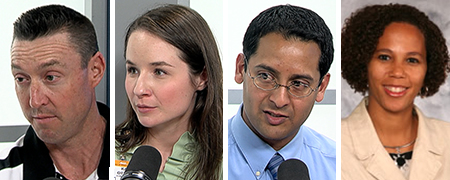 Panelists: Steve Ball, Associate Professor, MU Dept. of Nutrition and Exercise Physiology Kayla Otteson, Dietician, Adolescent Diabetic Obesity Program, MU Children’s Hospital Dr. Aneesh Tosh, Director, Adolescent Diabetic Obesity Program, MU Children’s Hospital Laina Fullum, Director, Nutrition Services for Columbia Public Schools (joining by phone) |
1 Comment
Spring is officially upon us, and for many in the country it arrived early this year. We get some possible explanations for the record high temperatures in March. You'll also hear how the early spring could benefit farmers, consumers and even the insect population. (Program was recorded Thursday, April 12.) 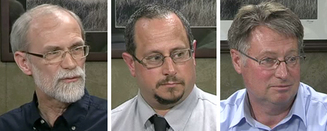 Panelists:
Rob Lawrence, forest entomologist, Missouri Department of Conservation Tony Lupo, chairman, University of Missouri Department of Soil, Environmental and Atmospheric Sciences Michael Monson, chair, University of Missouri Department of Agricultural and Applied Economics Lowell Schachtsiek, a farmer from northeast Missouri (joining the program by phone) Janice Stillman, editor of the Old Farmers Almanac (joining the program by phone) A growing body of research is looking into the connections between spirituality and the functioning of the human brain. Our panelists take us on a journey into the deep recesses of the religious mind in hopes of answering some key questions: Is there a part of the brain that’s responsible for making people religious? Or is it the other way around, with spirituality affecting the way the brain operates? 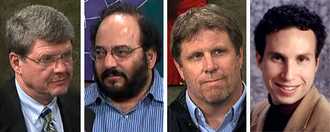 Panelists:
John Baker, executive director of the Community Foundation of Central Missouri and former pastor at First Baptist Church in Columbia Daniel Cohen, teaching assistant professor in the MU Department of Religious Studies Brick Johnstone, professor of health psychology in the MU School of Health Professions Andrew Newberg, neuroscientist and author of the book "Principles of Neurotheology" (joining the program by phone) 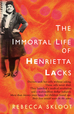 In the early 1950s, cancerous cells were taken from a tumor that killed a young black woman and became the first human cells to be successfully kept alive and replicated outside the human body. That cell line, known as HeLa, went on to become one of the most important ingredients in medical research, leading to several important breakthroughs -- and generating large profits for biomedical companies. But the woman and her descendants had no idea any of this was happening. The details of this true story are chronicled in this year's One Read book, "The Immortal Life of Henrietta Lacks." Our discussion focuses on the medical issues raised in the story, in particular how race, medicine, civil rights history and bioethics all come together in the book and in our world today. For more information about this year's One Read events, click here. 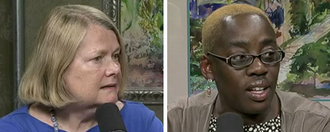 Panelists:
Doyne McKenzie, collections manager, Daniel Boone Regional Library Traci Wilson-Kleekamp, director of diversity and outreach initiatives, MU School of Medicine The Missouri River was once the lifeblood of this region, bringing goods and prosperity through towns across the state. But like the muddy water itself, the river's ideal use and flow is not as clear as it may have been years ago. Dams and levees have altered its course and threatened aquatic life; and over the past decade outdoor and nature enthusiasts have led a growing effort to clean up trash littered along the river and turn the waterway into a central point for recreation. We look at statewide conservation efforts and what lies in store for the Big Muddy. 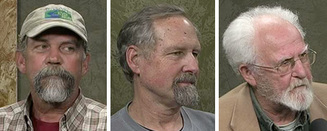 Panelists:
Jeff Barrow, director, Missouri River Relief Steve Johnson, executive director, Missouri River Communities Network Ken Midkiff, director, Sierra Club Clean Water Campaign Scott Mansker, host of PBS show "River Miles" (joining the program by phone) | PodcastsClick here to browse
the podcast archive ArchivesJune 2014 CategoriesAll |
 RSS Feed