How much of what we do is by choice, what philosophers and theologians call “free will”? And how much can be attributed to the unconscious workings of our brains? Can brain scans, such as functional MRIs, show what is happening in the brain? Can they predict violent criminal behavior - and if so, should they be admissible in legal proceedings? In advance of a symposium on the topic next weekend at MU, we invited a few experts to help explain how advanced study of the brain intersects with our humanity.
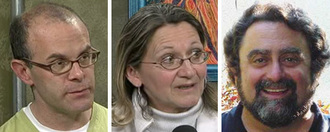
Panelists:
Phil Robbins, University of Missouri associate professor of philosophy and co-chair of the Life Sciences and Society Symposium planning committee
Ines Segert, University of Missouri professor of psychology
Jim Fallon, professor of anatomy and neurobiology, University of California-Irvine (joining by phone)
Phil Robbins, University of Missouri associate professor of philosophy and co-chair of the Life Sciences and Society Symposium planning committee
Ines Segert, University of Missouri professor of psychology
Jim Fallon, professor of anatomy and neurobiology, University of California-Irvine (joining by phone)
Related links:
Life Sciences and Society Symposium website
NPR story about Jim Fallon’s discovery of his own psychopathic potential
Overview brain imaging and purposes, as explained by the University of Pennsylvania
CNN article about research by Adrian Raine (mentioned multiple times during the Intersection conversation)
Life Sciences and Society Symposium website
NPR story about Jim Fallon’s discovery of his own psychopathic potential
Overview brain imaging and purposes, as explained by the University of Pennsylvania
CNN article about research by Adrian Raine (mentioned multiple times during the Intersection conversation)
 RSS Feed